SiLNoRF and Partners Validate Community Readiness Across Moyamba District for Agricultural Productivity and WASH Project.
Communication Silnorf
April 17, 2026
Communication Unit SiLNoRF (StoryLab Creative_Pro Idrissa Jerry Kargbo)
The Sierra Leone Network on the Right to Food (SiLNoRF), in partnership with Wellfound, has successfully concluded a comprehensive field validation exercise across Moyamba District as part of the “Increasing Agricultural Productivity to Reduce Hunger among the Poor Rural Population” project (SLE 1128), funded by the German Federal Ministry for Economic Cooperation and Development (BMZ) and Welthungerhilfe (WHH).
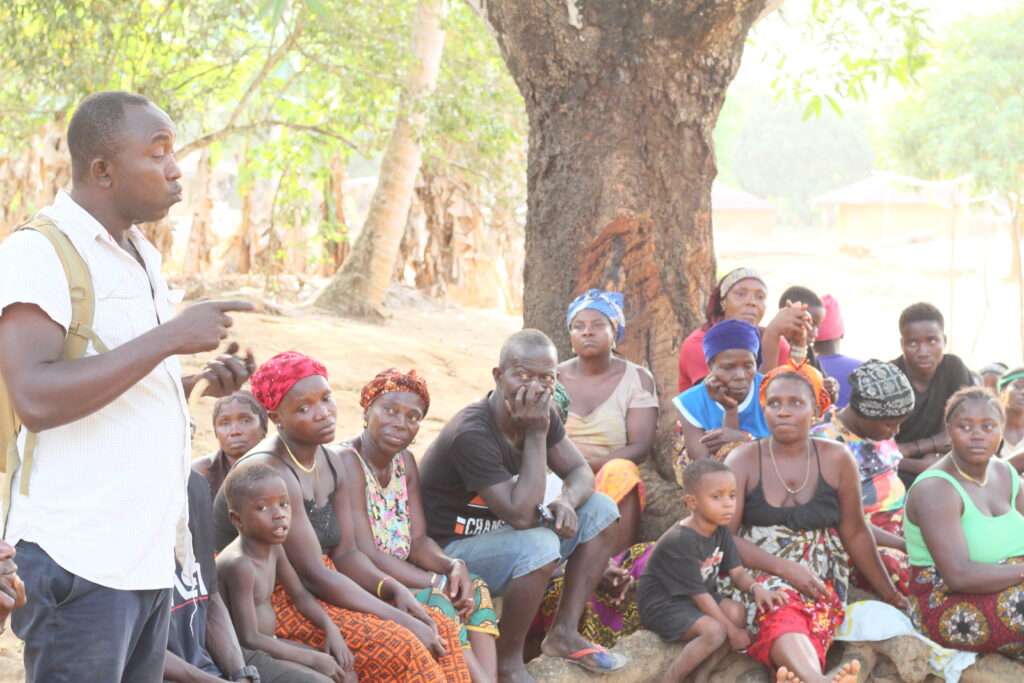
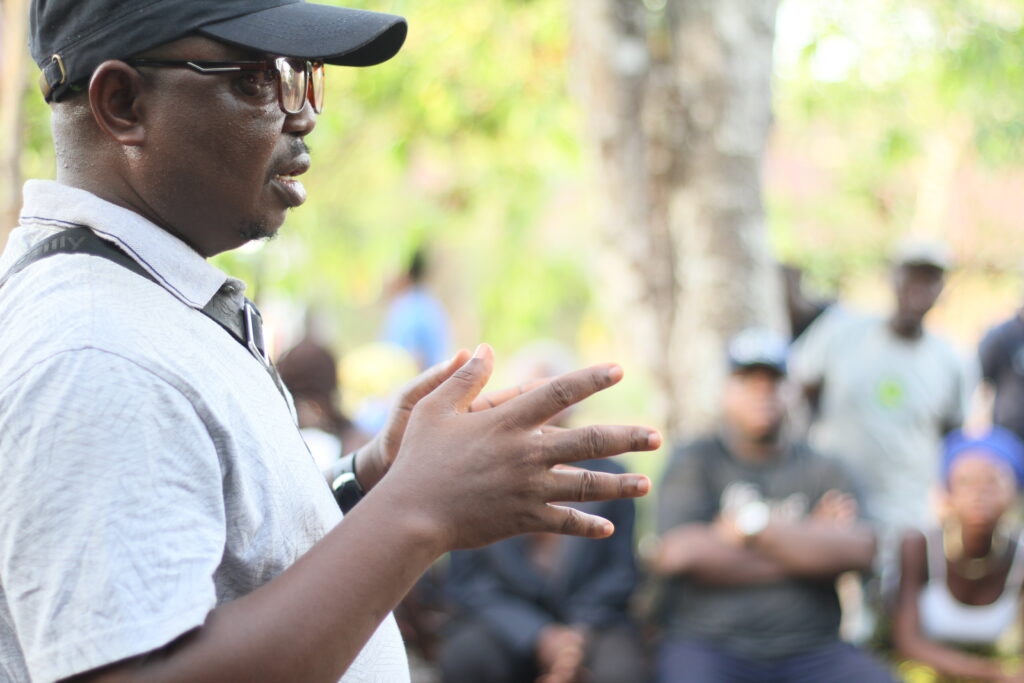
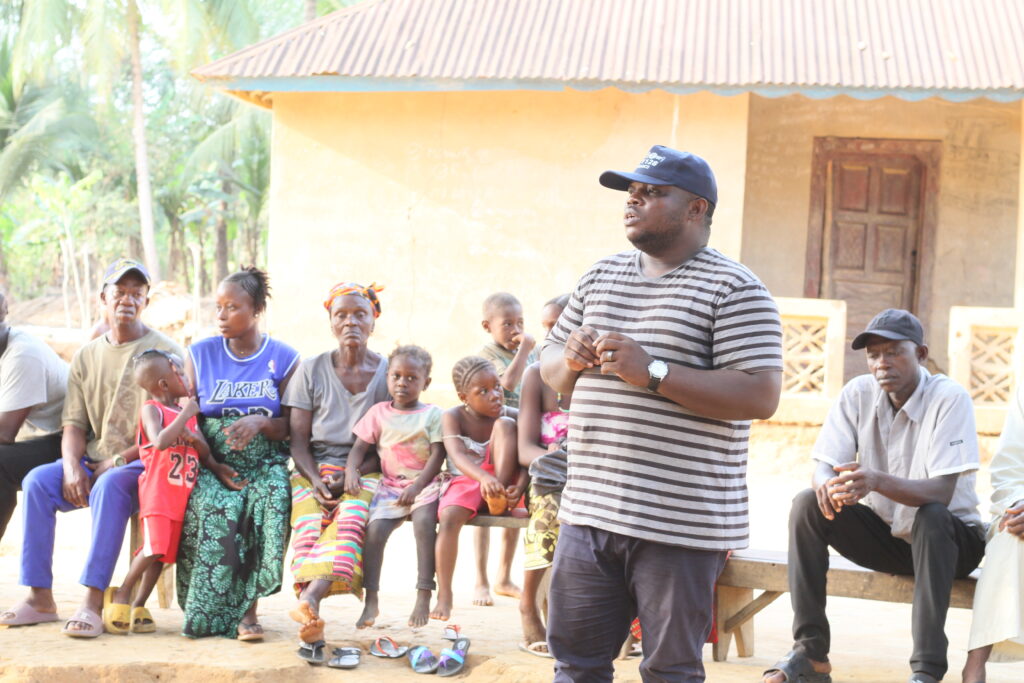
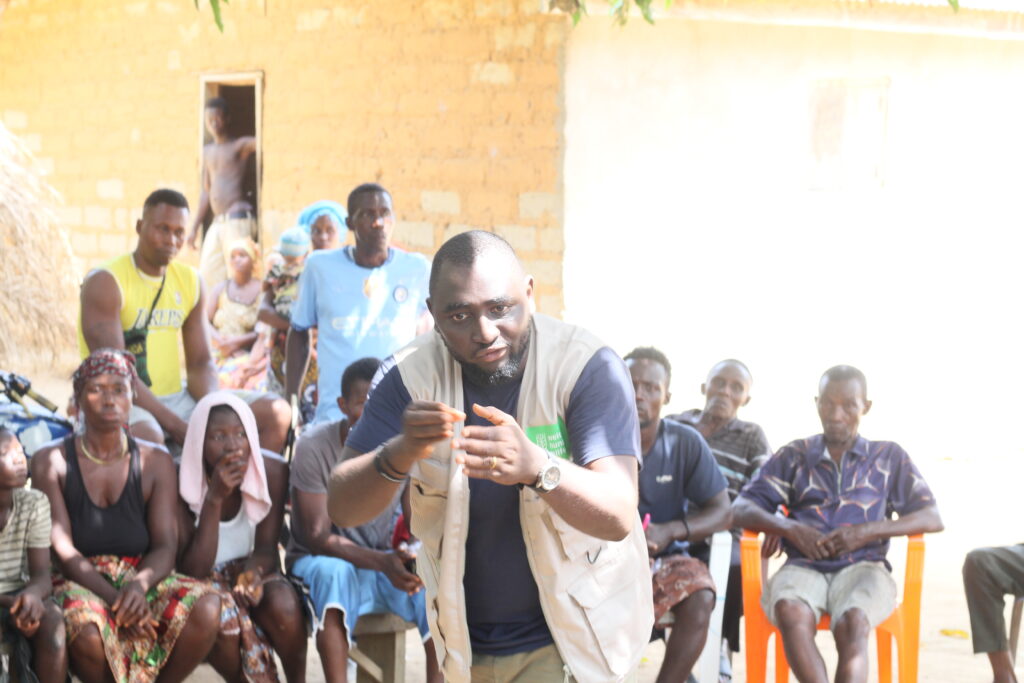
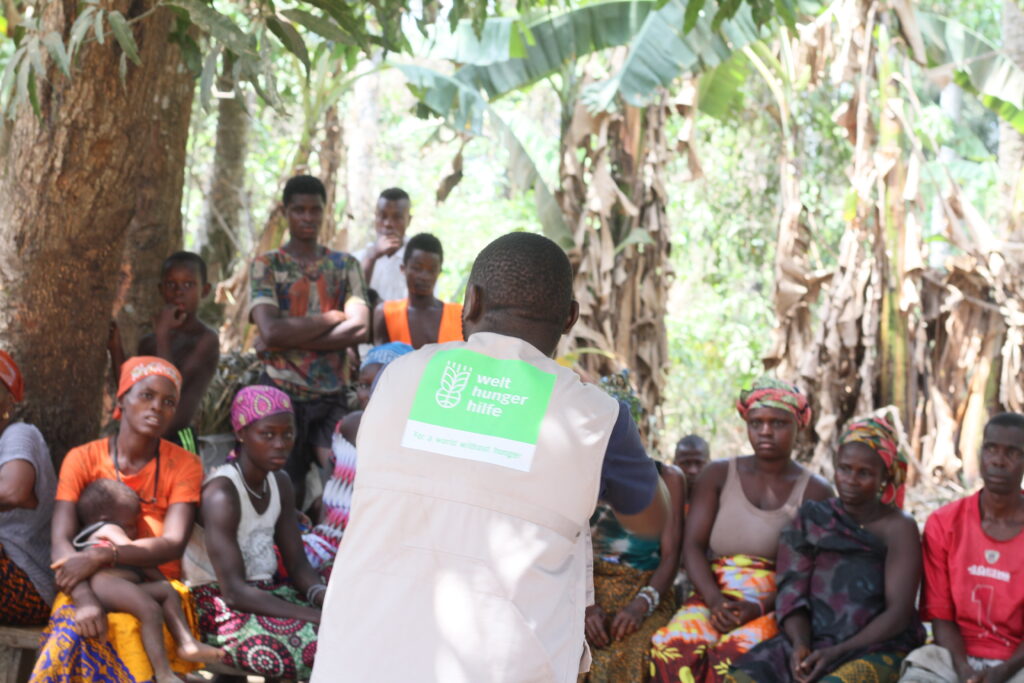
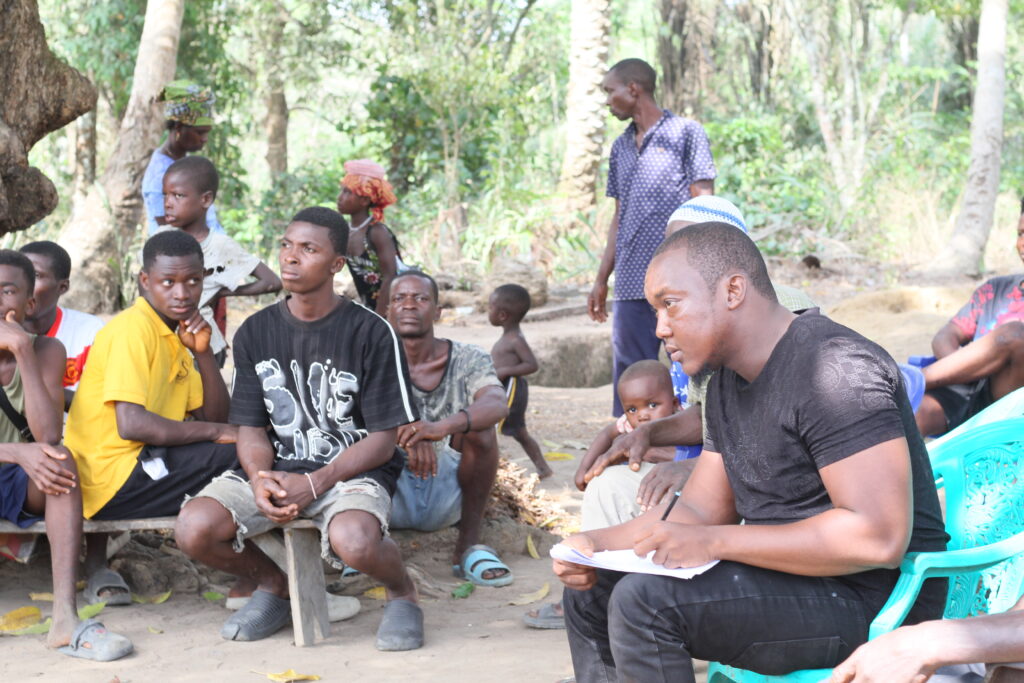
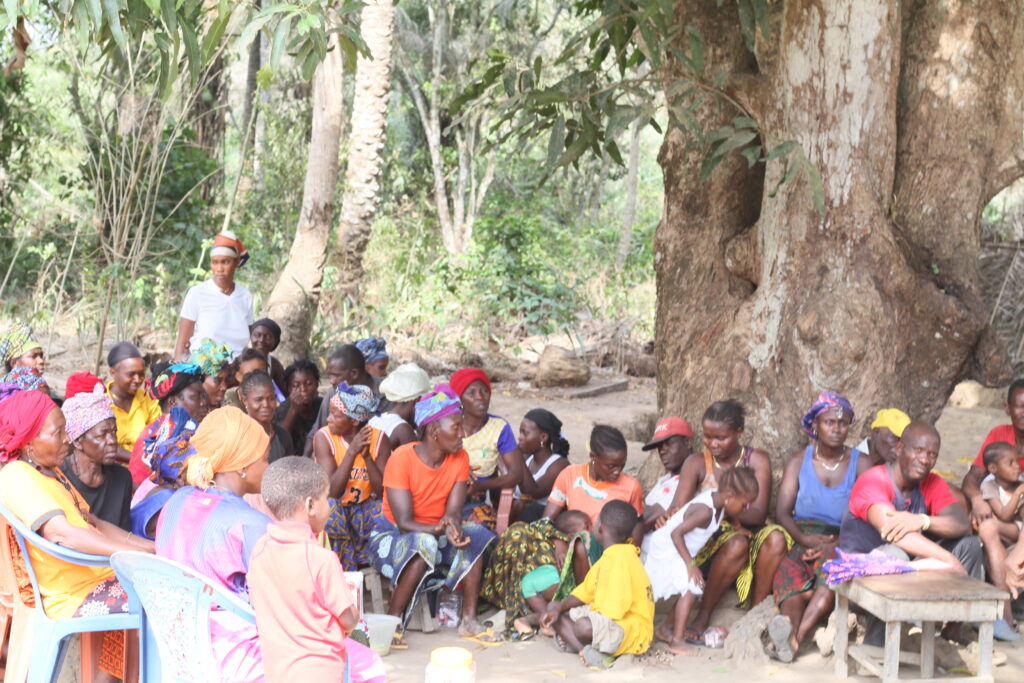
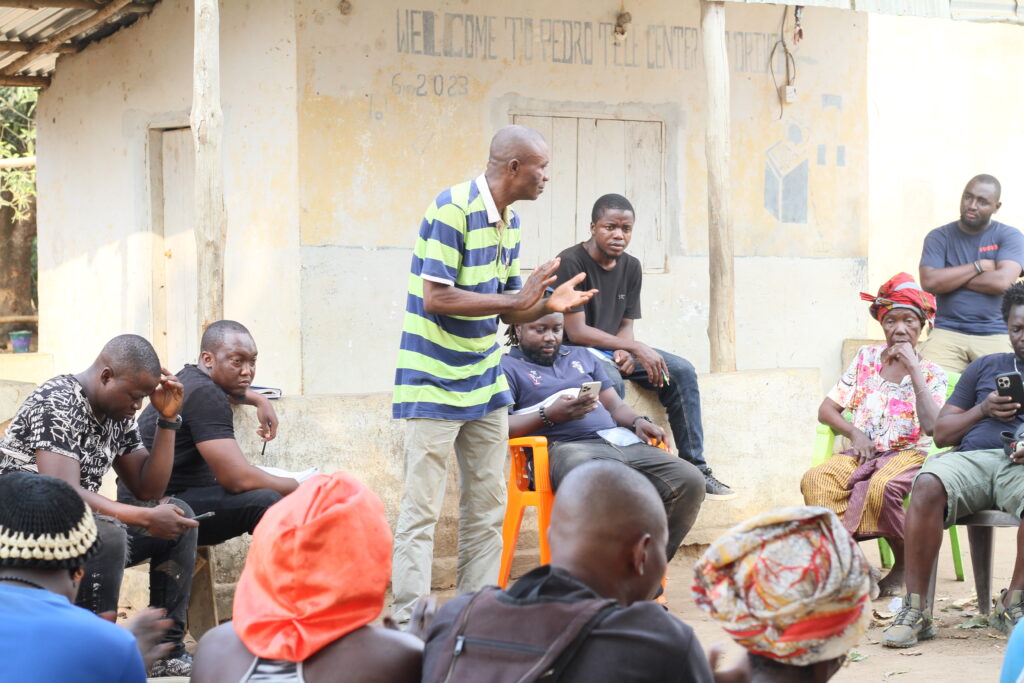
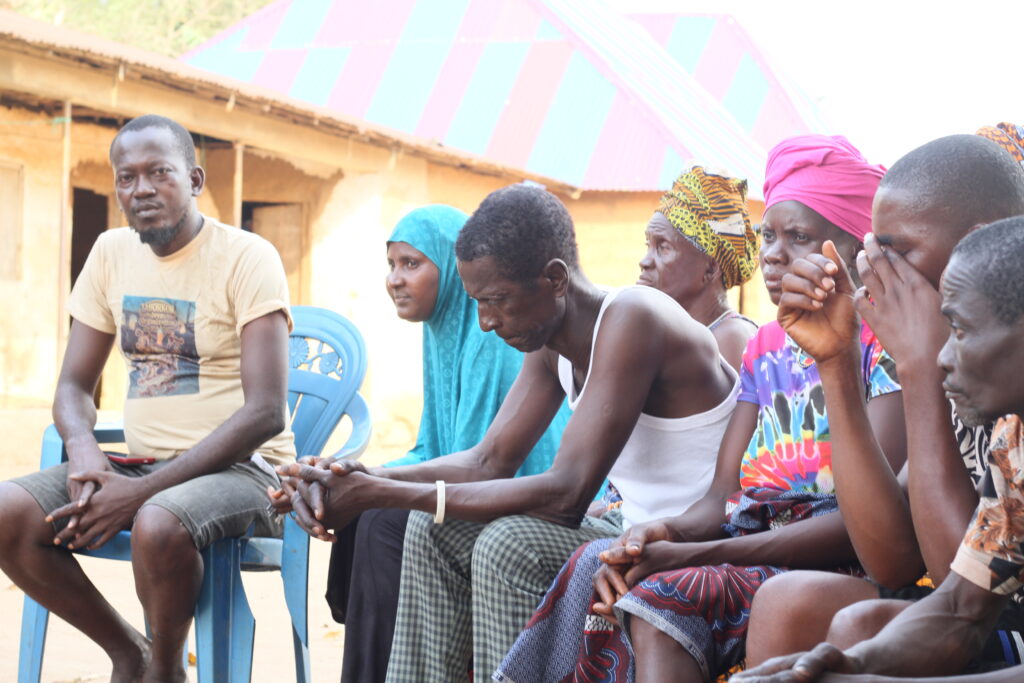
The exercise, undertaken by the RAB project team, covered 19 out of the 30 target communities across Upper Banta, Kargboro, and Ribbi Chiefdoms. It was designed as a critical step to verify community profiles, validate key implementation structures, and assess overall readiness ahead of full-scale project rollout.
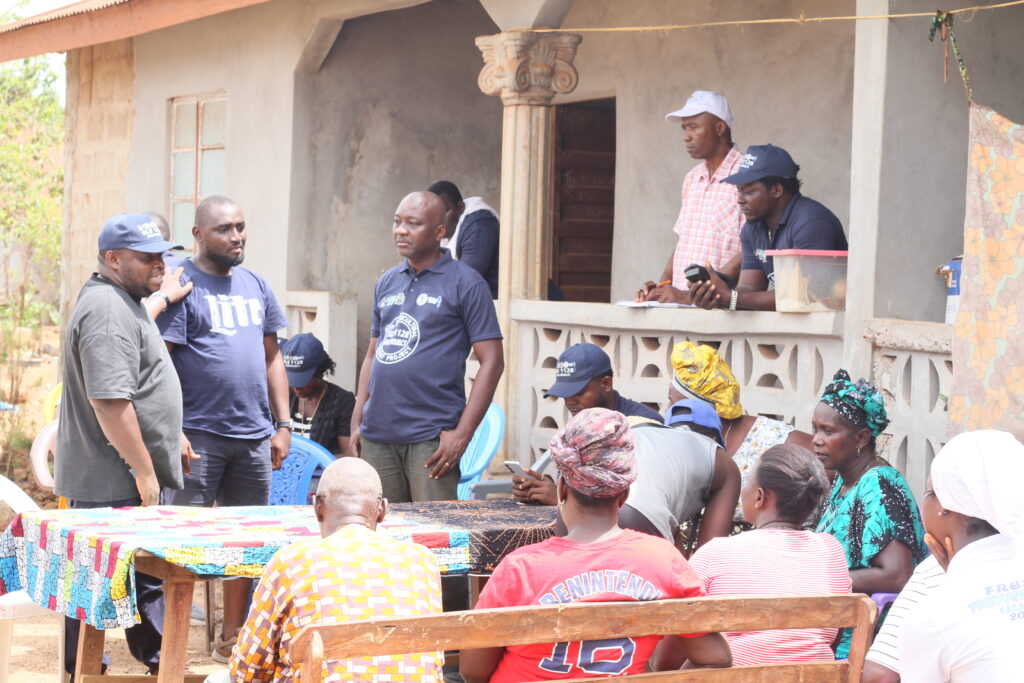
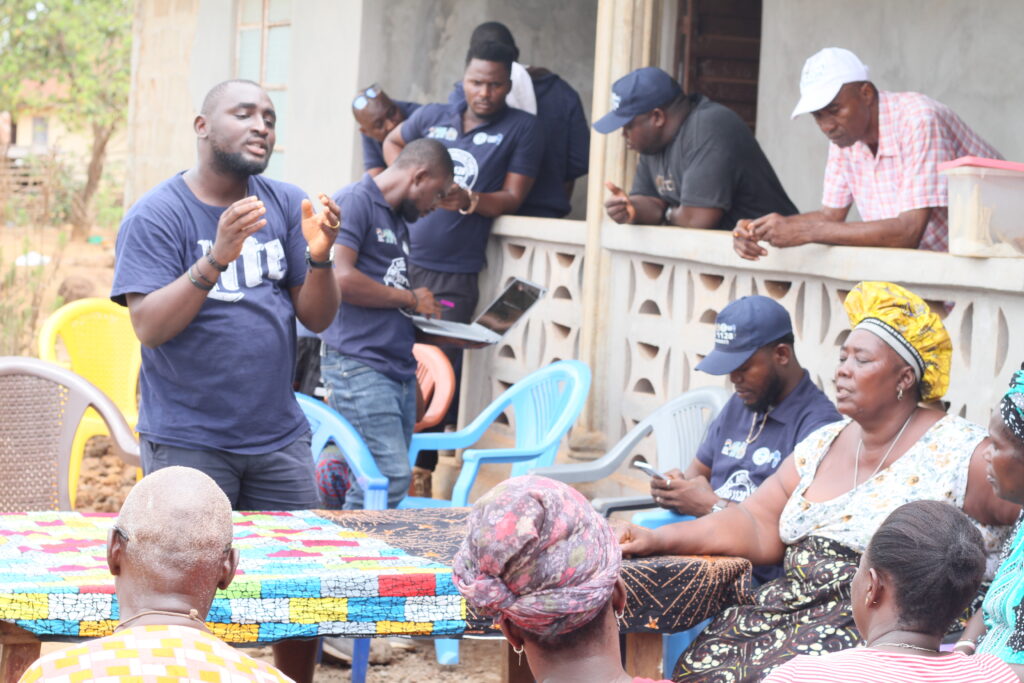
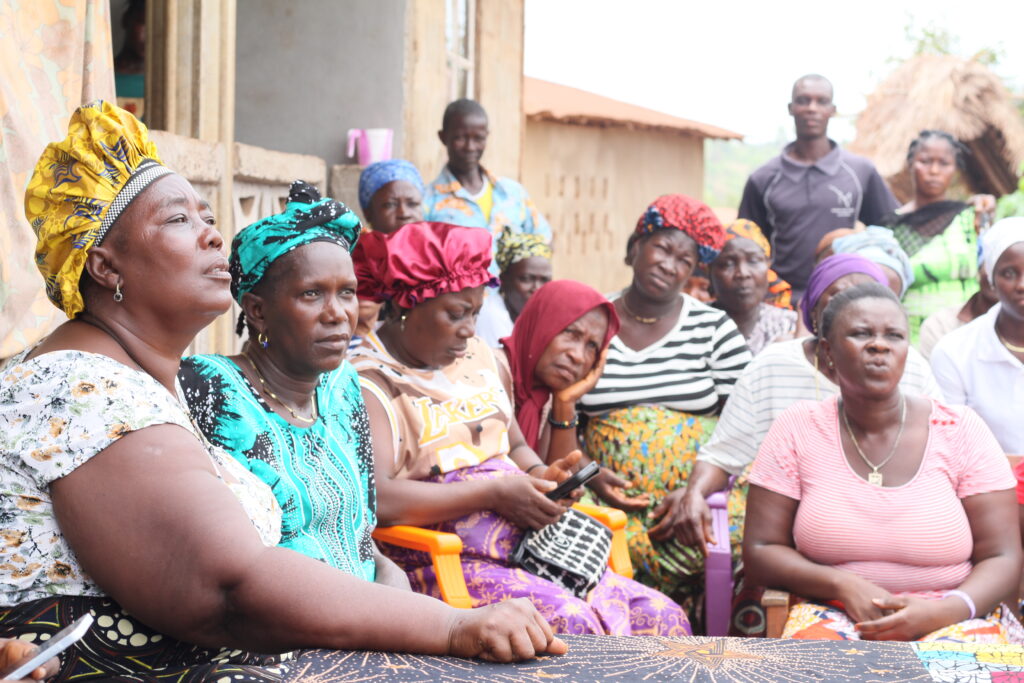
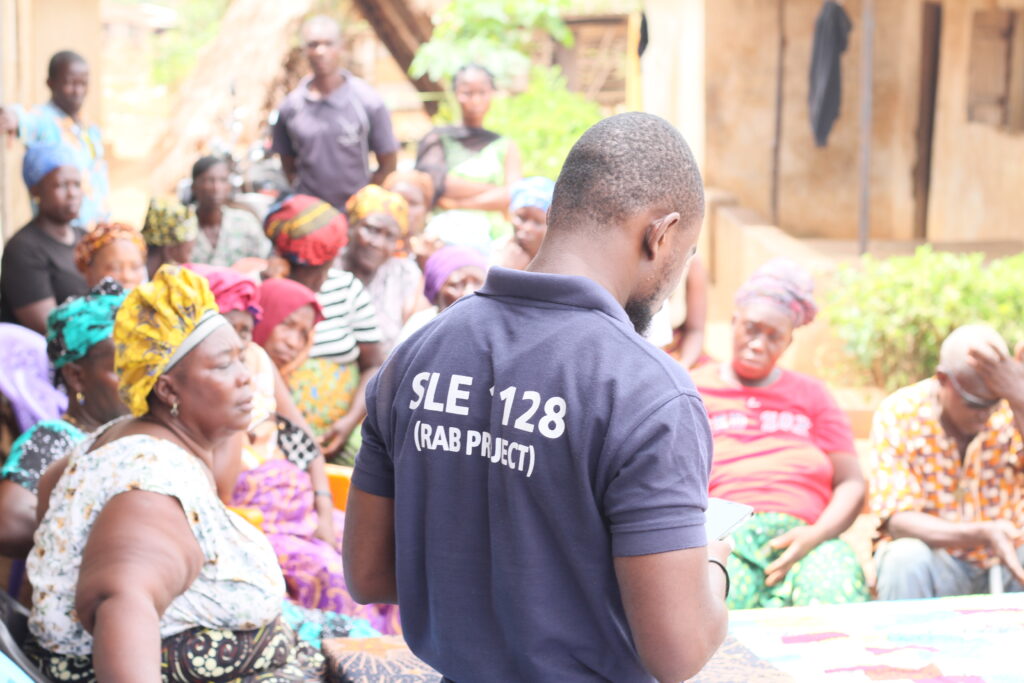
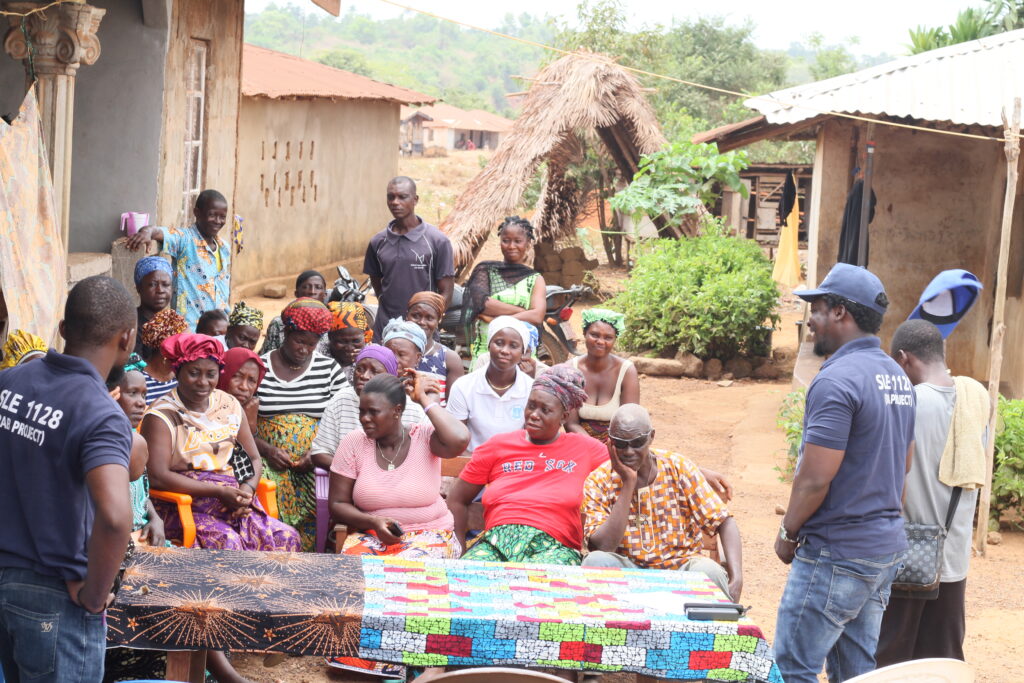
This strategic field engagement was championed by the Monitoring, Evaluation, Accountability and Learning (MEAL) teams of both SiLNoRF and Wellfound, working in close coordination with WHH’s MEAL Officer in Moyamba, Michael Conteh, who actively participated in all community-level engagements. The exercise was jointly led by Head of Programs, Lansana Hassan Sowa of SiLNoRF and Director, Andrew Mustapha of Wellfound, demonstrating strong leadership alignment and a shared commitment to accountability and results-driven programming.
Findings from the field were highly encouraging.
Across all visited communities, core implementation structures have been successfully established and are operational. These include Farmer-Based Organizations (FBOs), which are set to receive a range of planting inputs such as pepper, groundnut, garden crops, cassava cuttings, and other essential seeds; Village Garden Groups (VGGs), which will be supported with vegetable inputs and rice for cultivation; and Water Management Committees (WMCs), where dedicated teams have already been formed and initial training has commenced. Encouragingly, these groups demonstrated a clear understanding of their roles and responsibilities within the project framework.
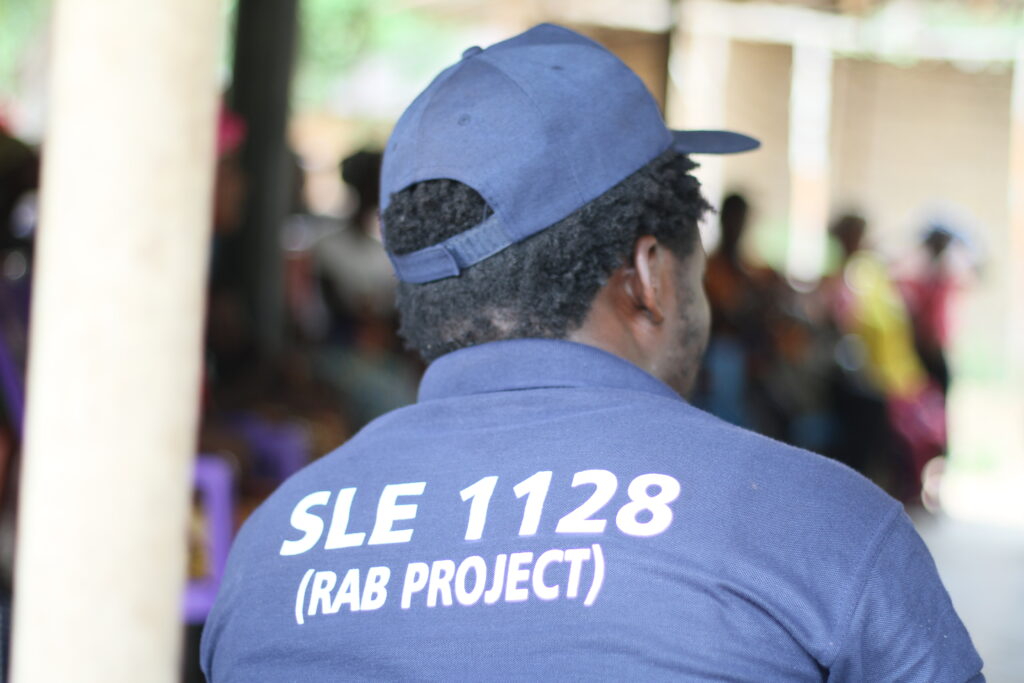
In addition, key infrastructure components were physically verified. Land identified for garden development is at varying stages of readiness some communities have completed brushing, others are actively clearing and preparing sites, while a few have begun partitioning land for organized use. Even in communities yet to begin, the level of readiness and willingness to engage remains high.
Water access, however, presents a more urgent concern. Several communities lack functional boreholes or wells, while others have damaged or unsafe water sources that cannot be relied upon. In some cases, awareness around safe water use, hygiene, and the importance of boreholes remains limited. These findings underscore not only the relevance of the intervention but also the pressing need for improved water systems and hygiene education—further reinforcing the urgency and value of this project.Stakeholder engagement at community level was equally strong. Local leaders and beneficiary groups exhibited a high level of awareness, ownership, and coordination around the project’s objectives, underscoring the effectiveness of prior mobilization and sensitization efforts.
Importantly, the exercise revealed a strong sense of readiness and urgency among community members. Beneficiaries expressed eagerness to transition into the next phase of the project, particularly the delivery of agricultural inputs, capacity-building training, and technical support that will drive improved productivity and food security outcomes.
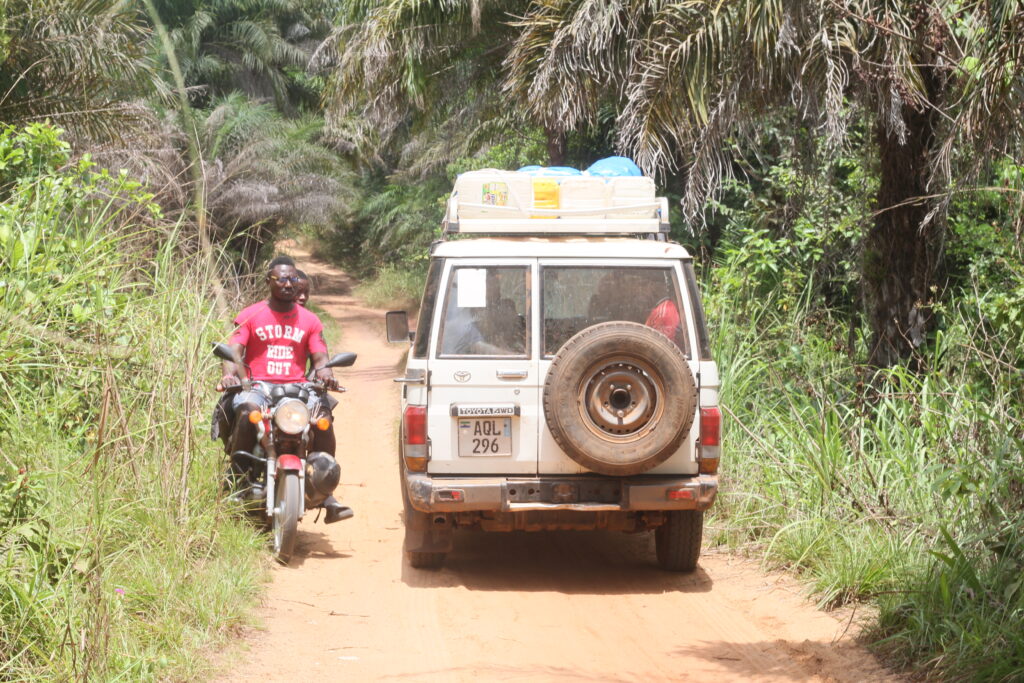
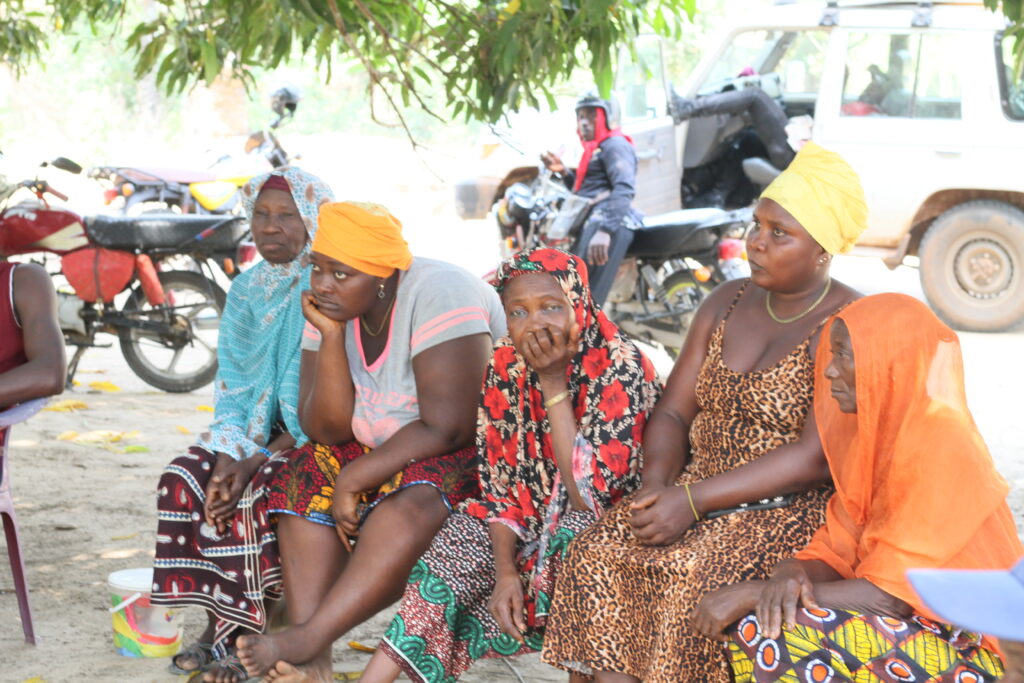
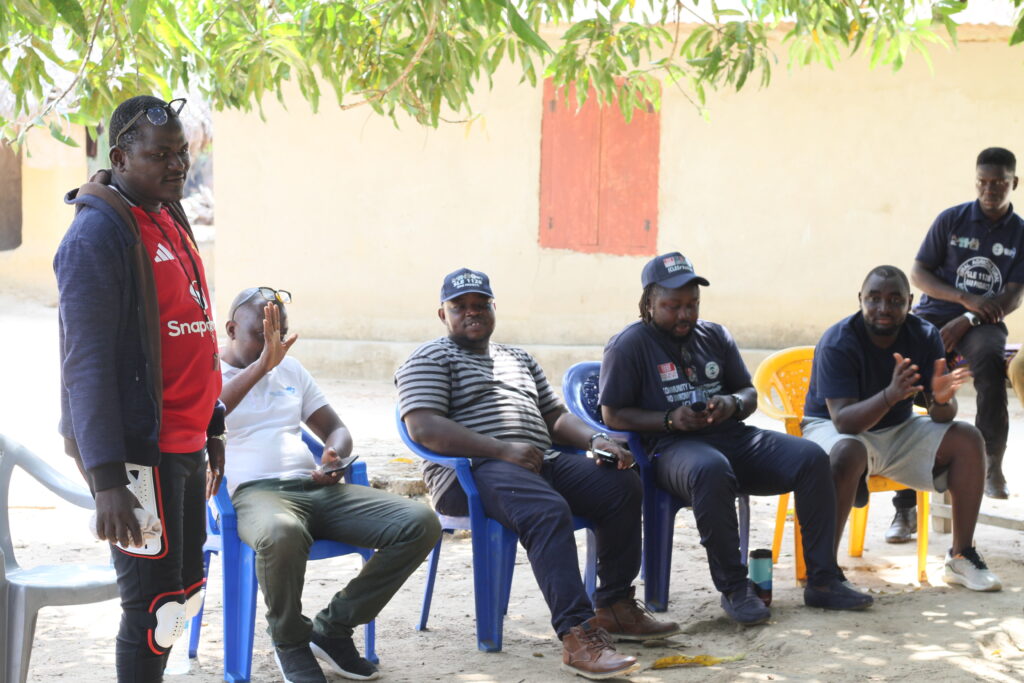
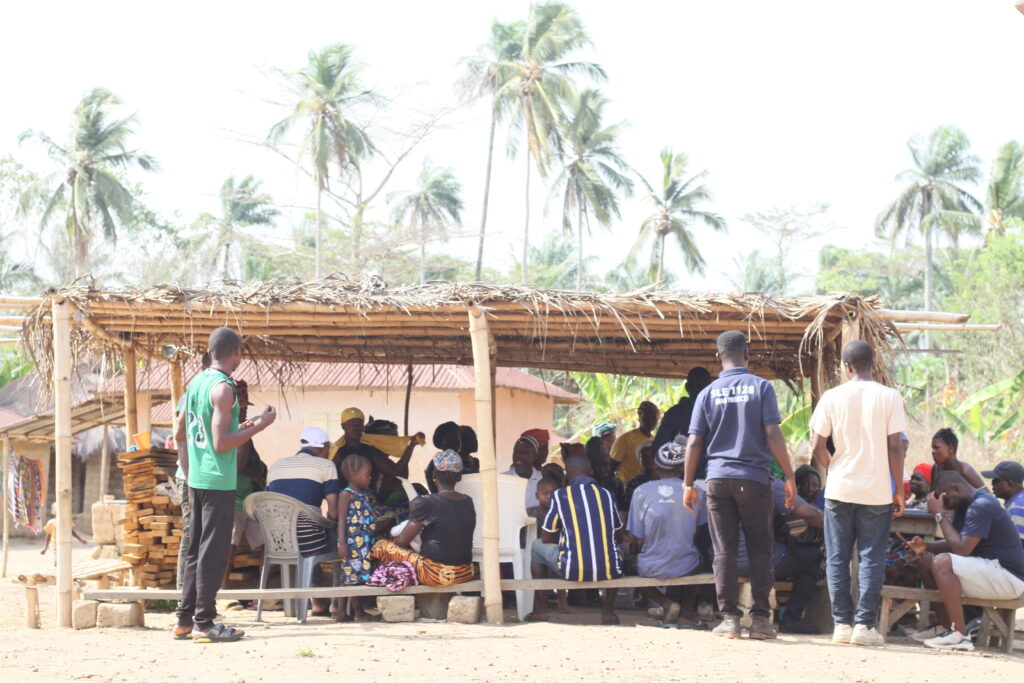
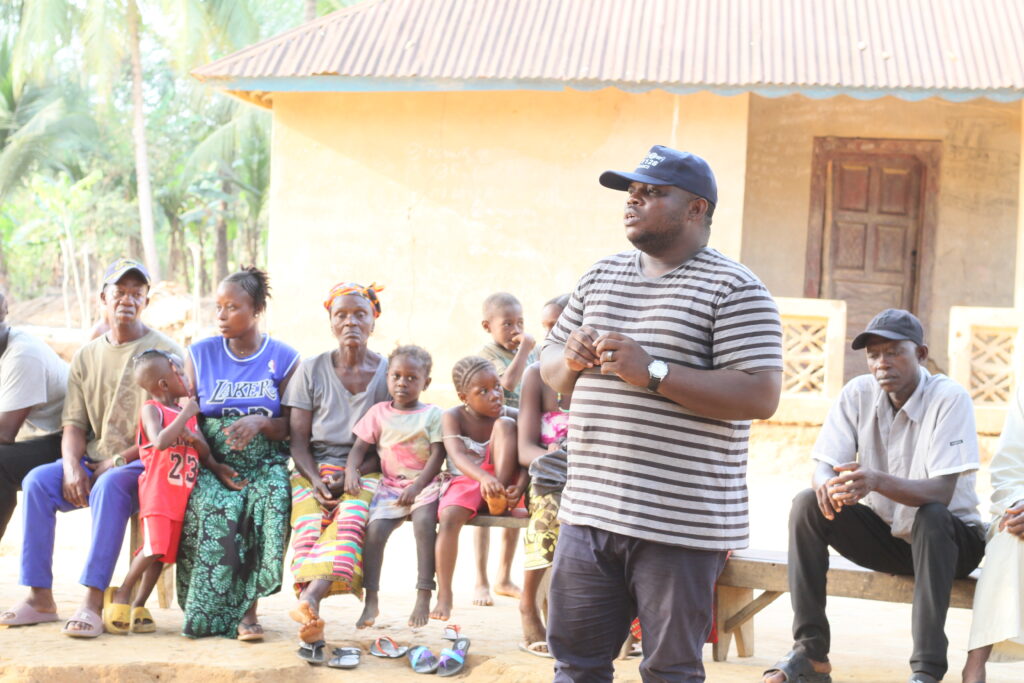
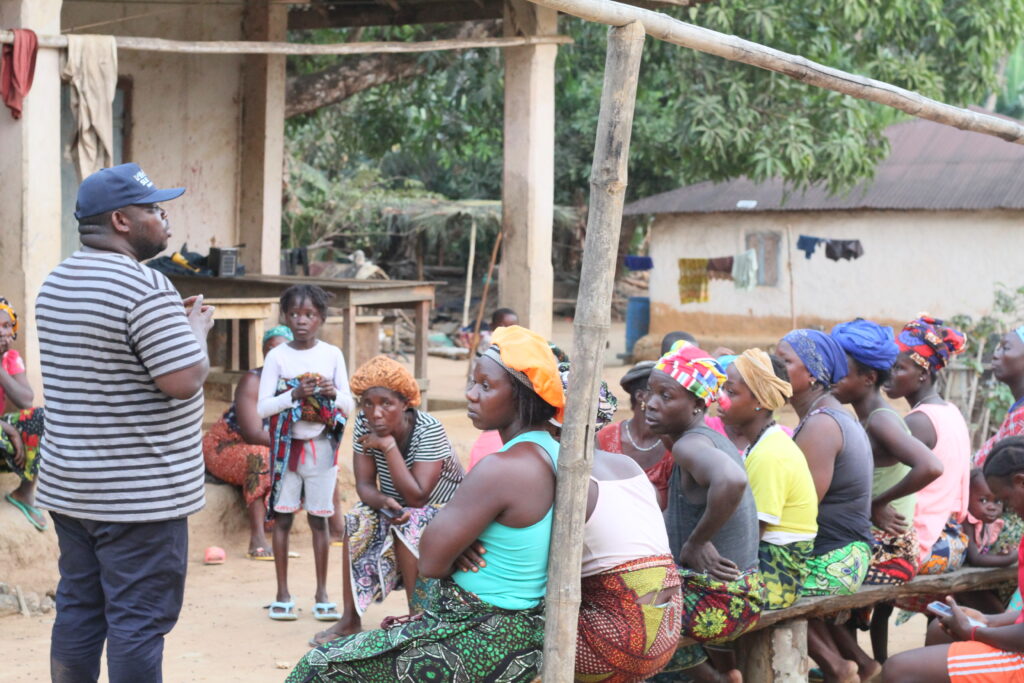
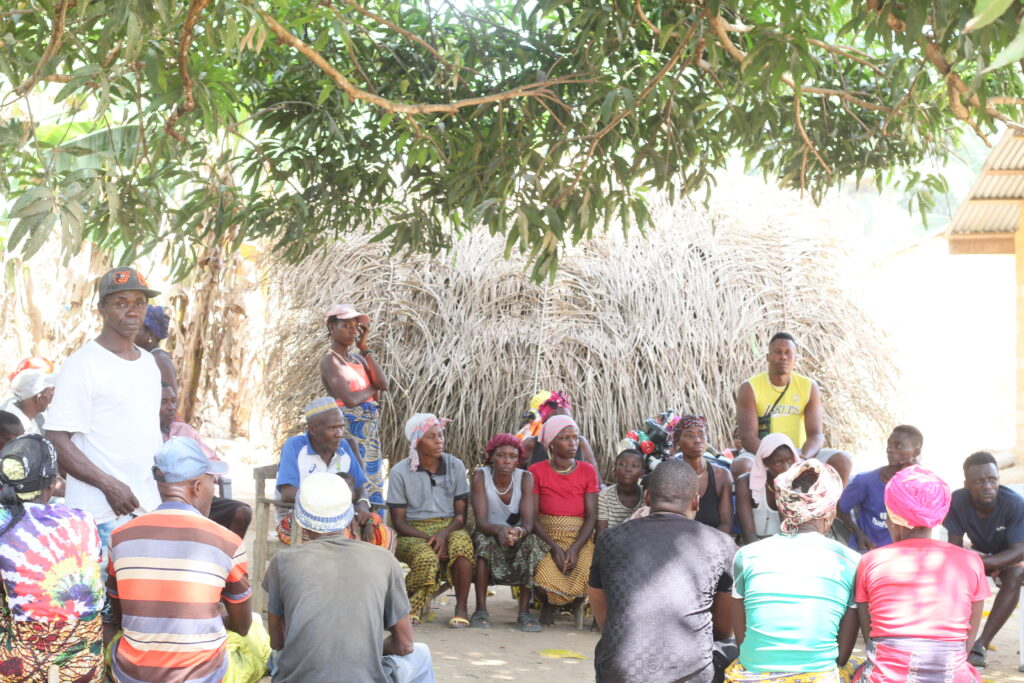
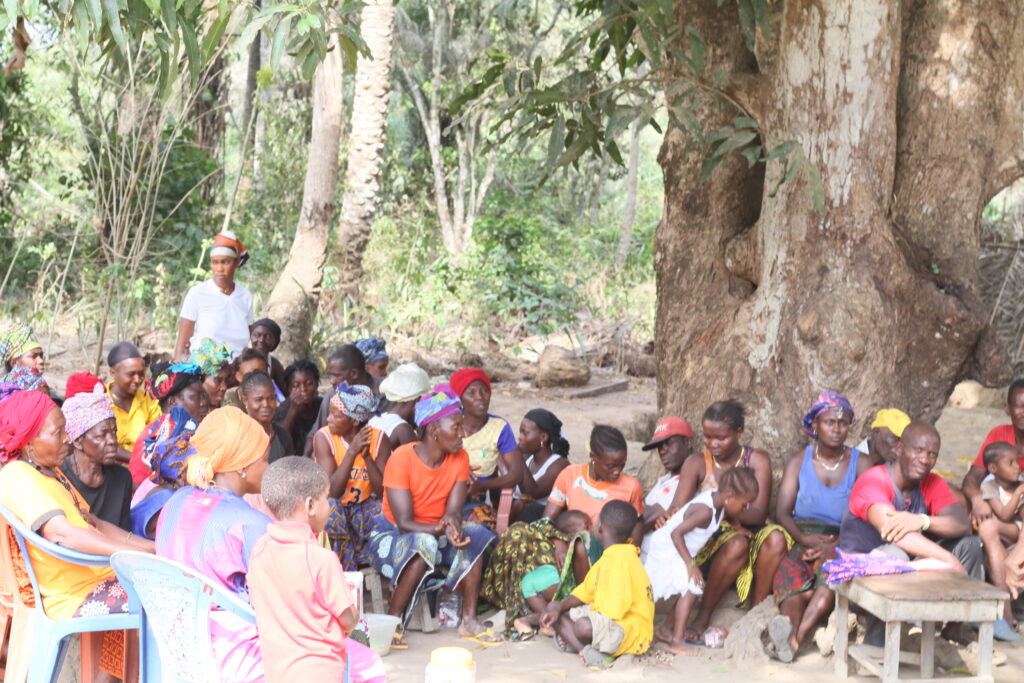
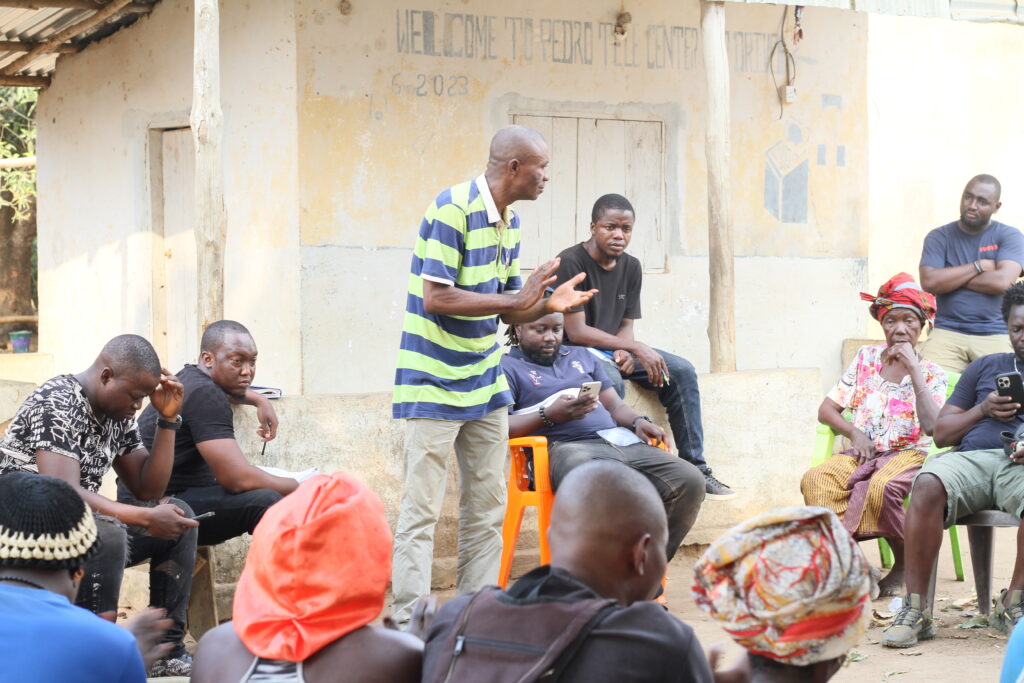
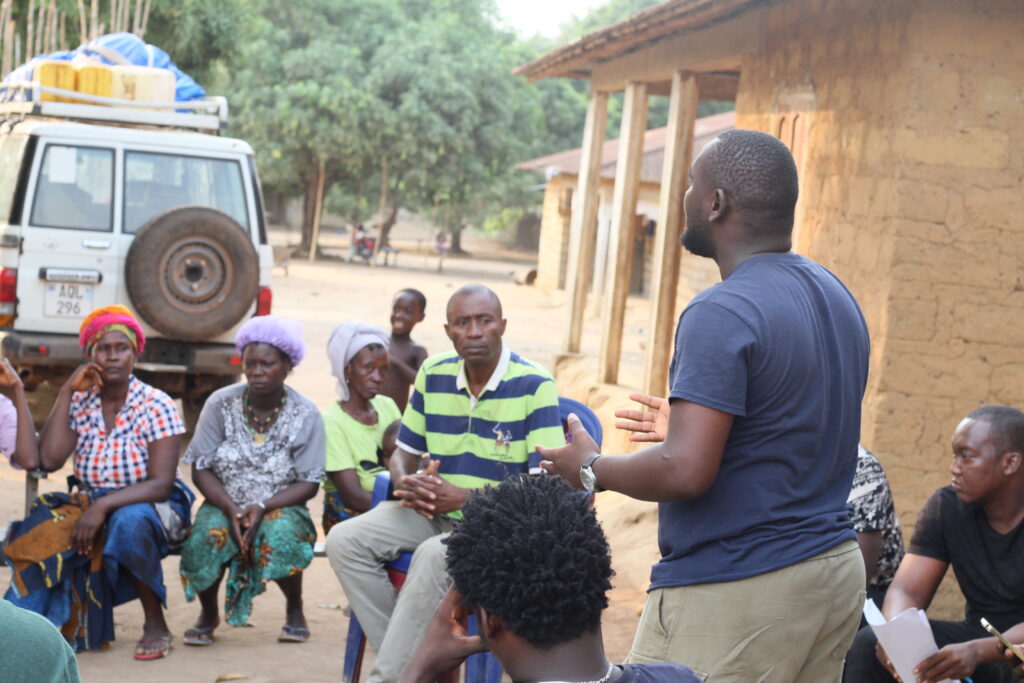
The validation exercise covered the following communities:
Overall, the field validation confirmed that the foundational conditions for successful implementation are firmly in place.
More than a routine assessment, this exercise served as a strategic accountability and learning milestone—ensuring that project delivery is grounded in verified data, responsive to community realities, and aligned with best practices in development programming.
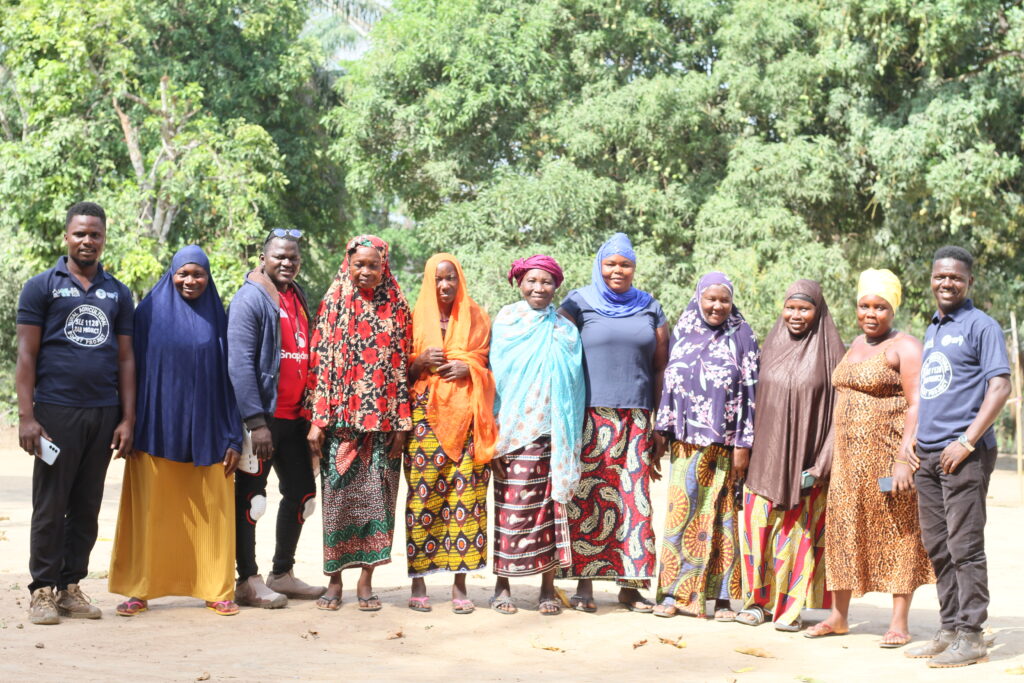
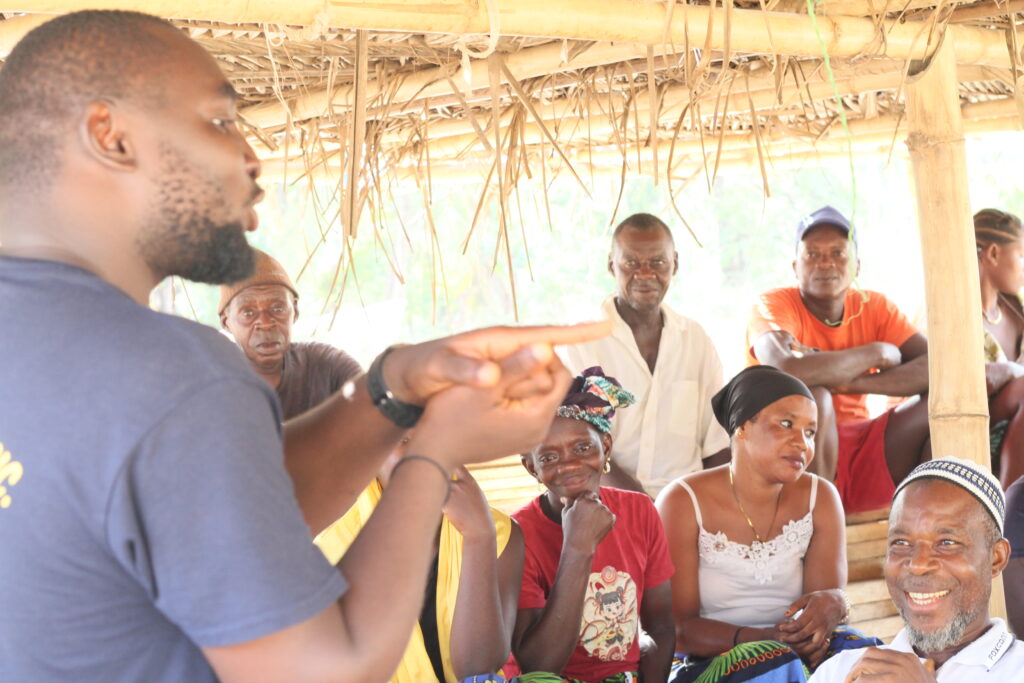
As the project moves into its implementation phase, SiLNoRF and its partners remain committed to delivering impactful, inclusive, and sustainable interventions that will enhance agricultural productivity and contribute meaningfully to reducing hunger among vulnerable rural populations in Moyamba District.
Copyright © SilNorf 2025 – All rights reserved
Developed By: Link Corporation Limited SL
Как маркетинговое агентство выстраивает стратегию продвижения под конкретный бизнес?