Rural Agricultural Boost (RAB) Project Records Strong Early Implementation Progress Across 30 Communities in Moyamba District.
Communication Silnorf
March 6, 2026
By~Idrissa Jerry Communication Manager SiLNoRF
The SLE 1128 Rural Agricultural Boost (RAB) Project, funded by BMZ through Welthungerhilfe (WHH) and implemented by SiLNoRF and WellFound, made significant progress during its initial implementation phase from November 2025 to February 2026 across 30 communities in Upper Banta, Ribbi, and Kagboro Chiefdoms in Moyamba District.
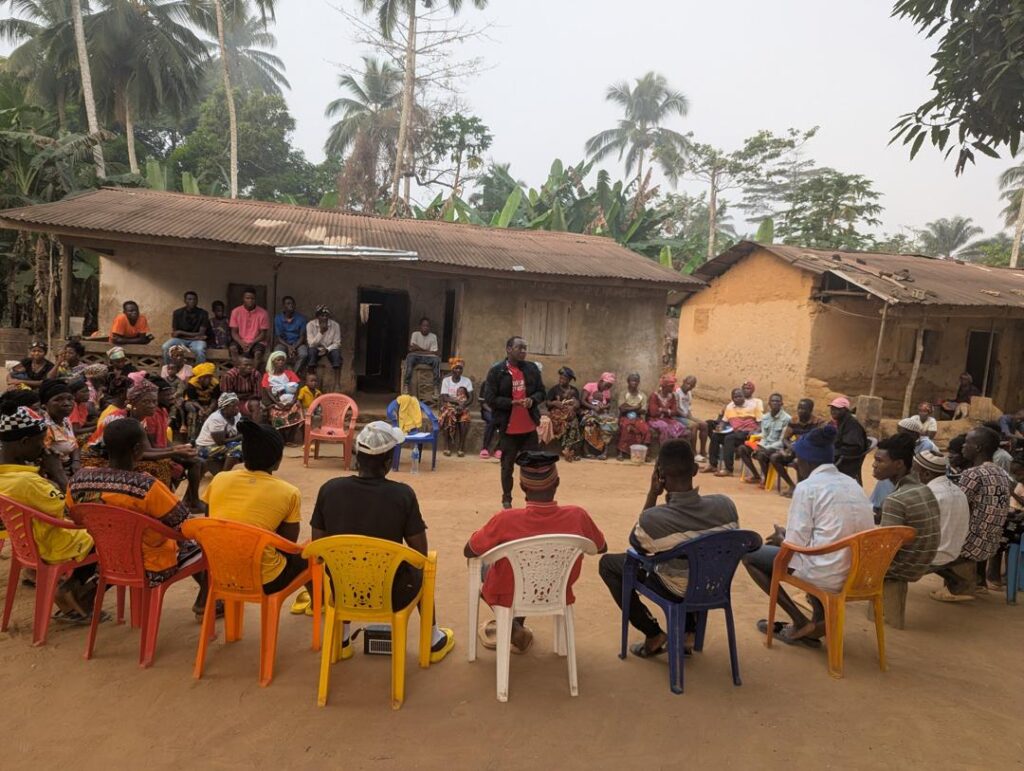
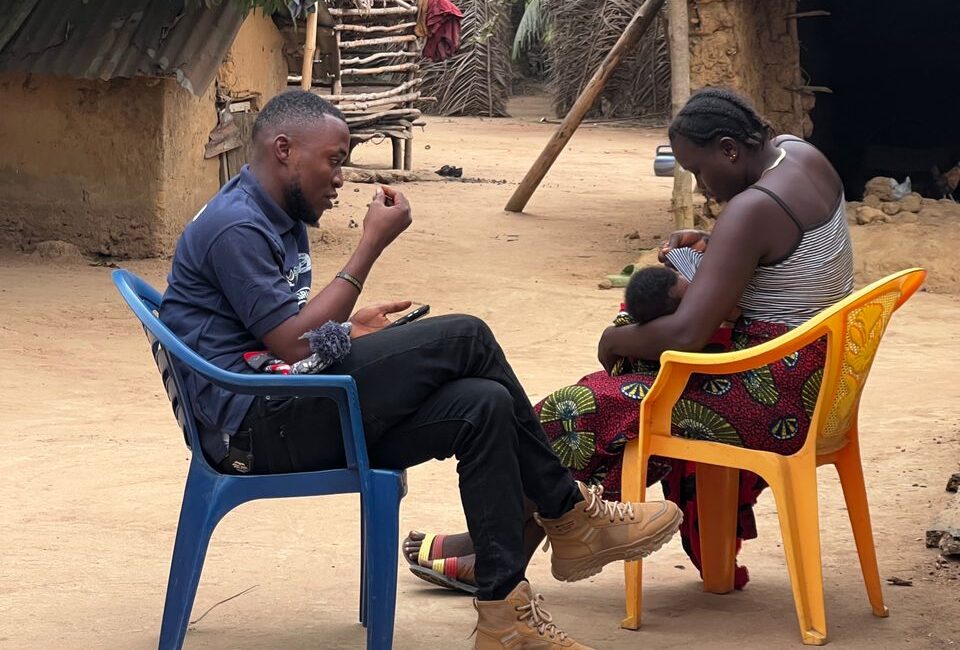
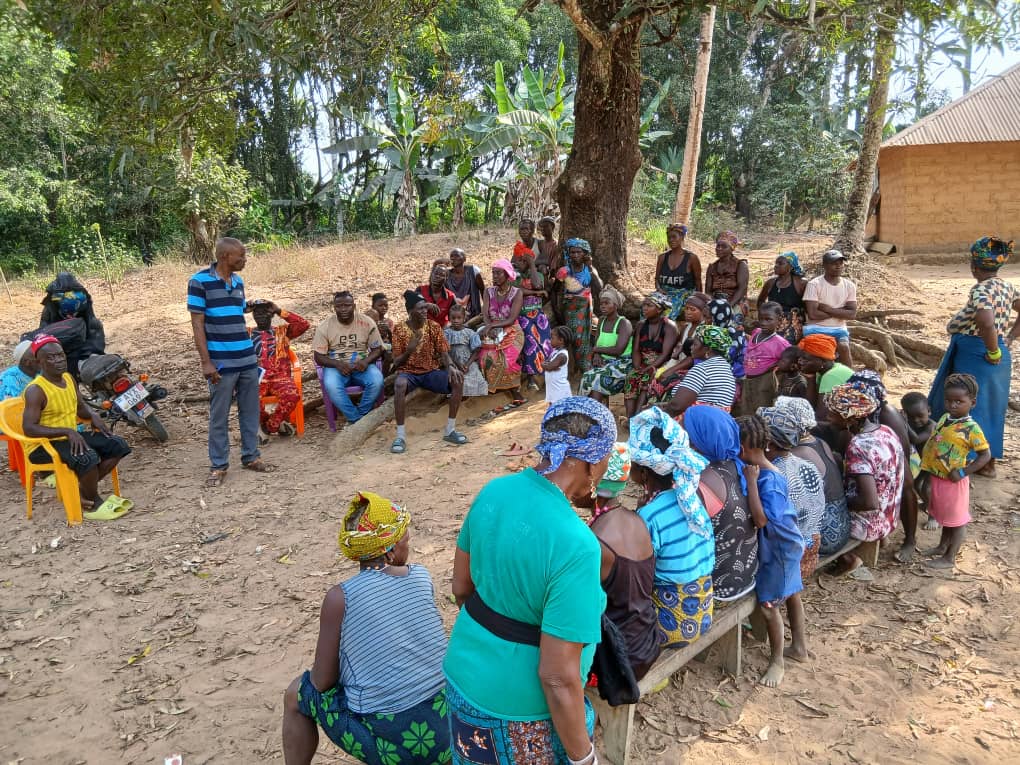
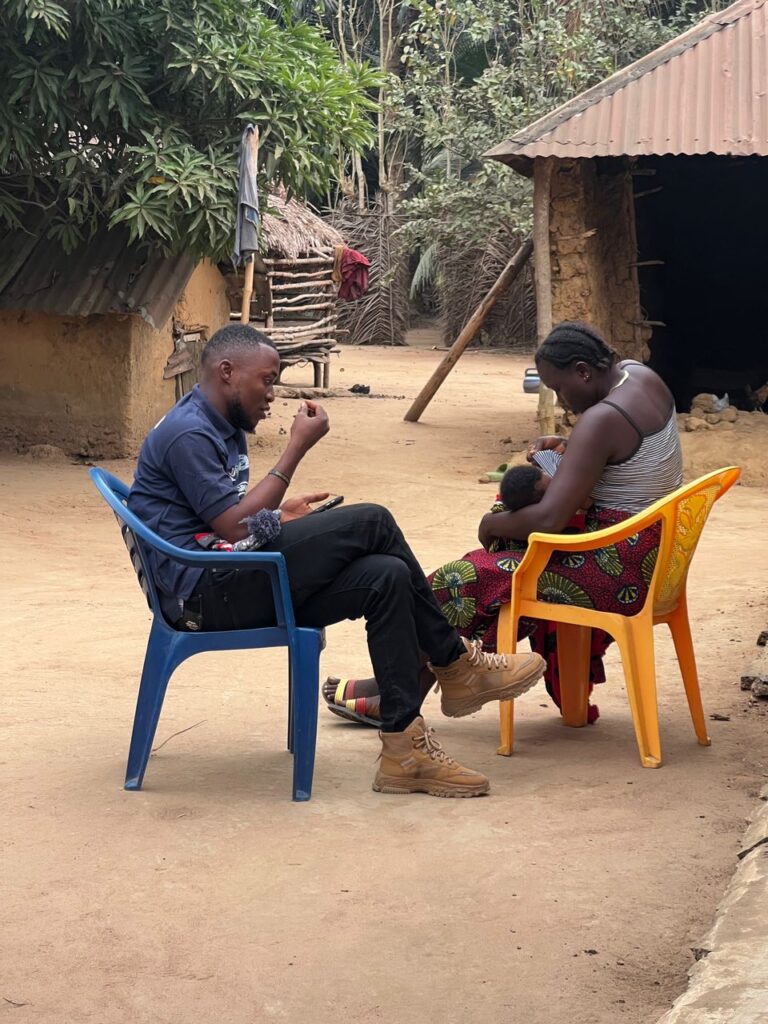
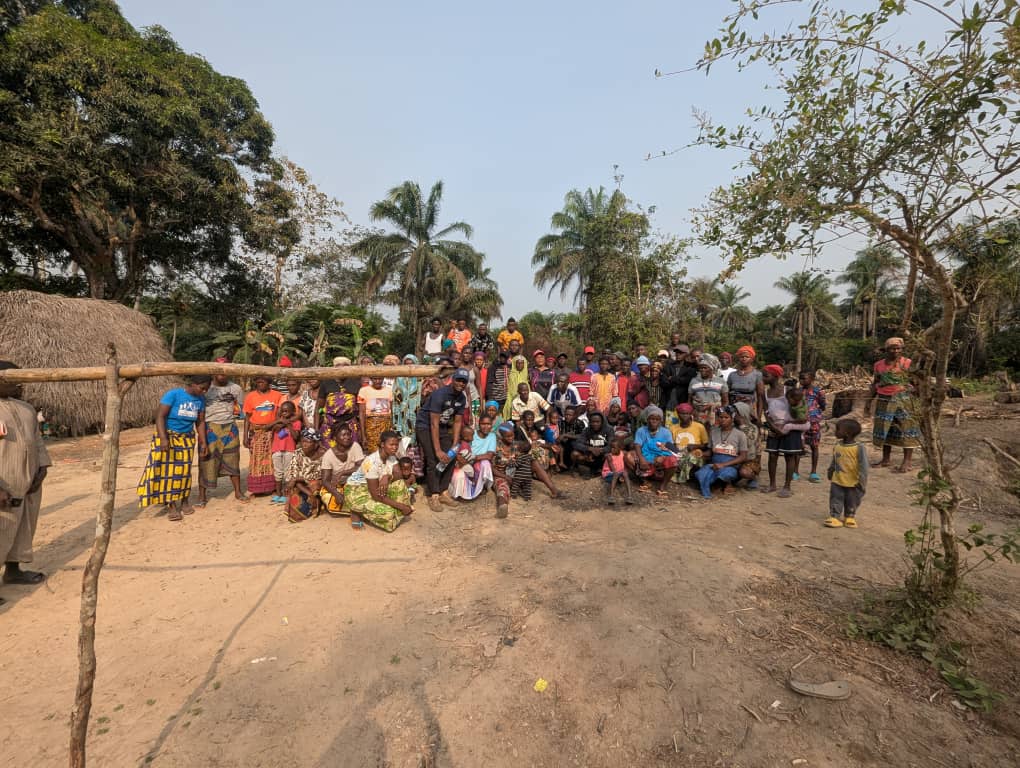
The reporting period focused on establishing strong institutional, technical, and community foundations for the project. Key activities included coordination meetings among partners, staff orientation and operational readiness training, engagement with district authorities, and the development of a six-month operational plan. The project also conducted structured community entry processes, which involved consultations with chiefs, elders, and community members, transparent communication about project goals and beneficiary criteria, and participatory selection of beneficiaries with emphasis on women and vulnerable households. As a result, 30 Farmer-Based Organizations (FBOs), 30 Women’s Vegetable Groups, and 30 WASH Committees were established to strengthen community participation and ownership. Additionally, a baseline study was conducted and a monitoring system introduced to guide evidence-based implementation and track progress.
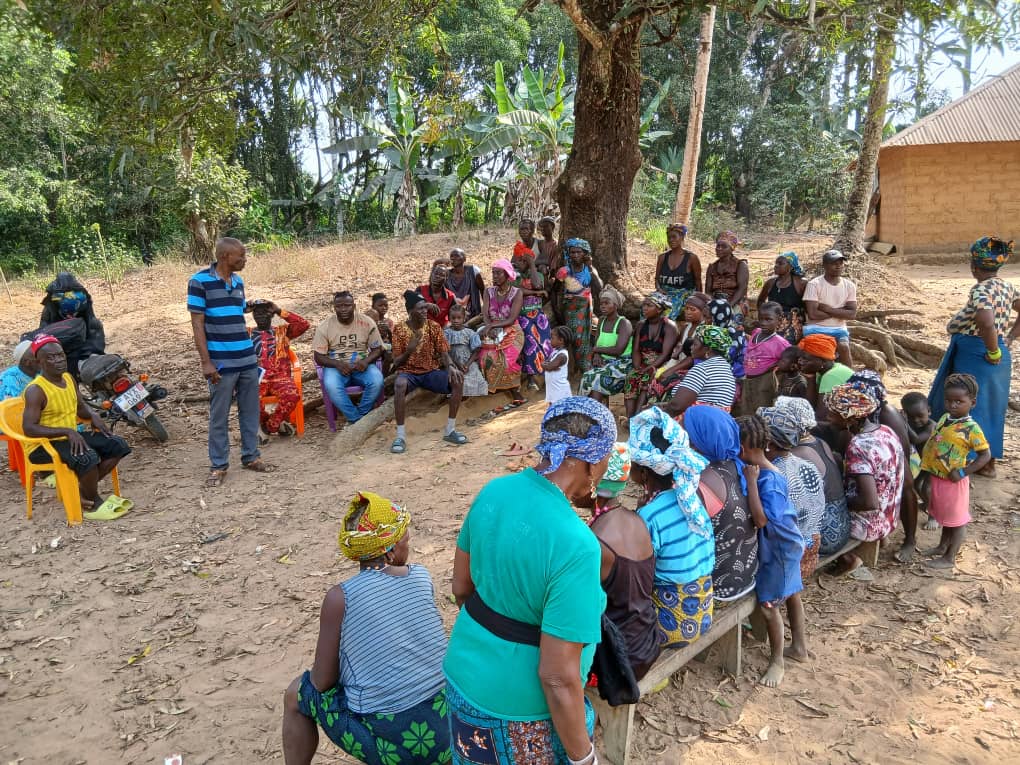
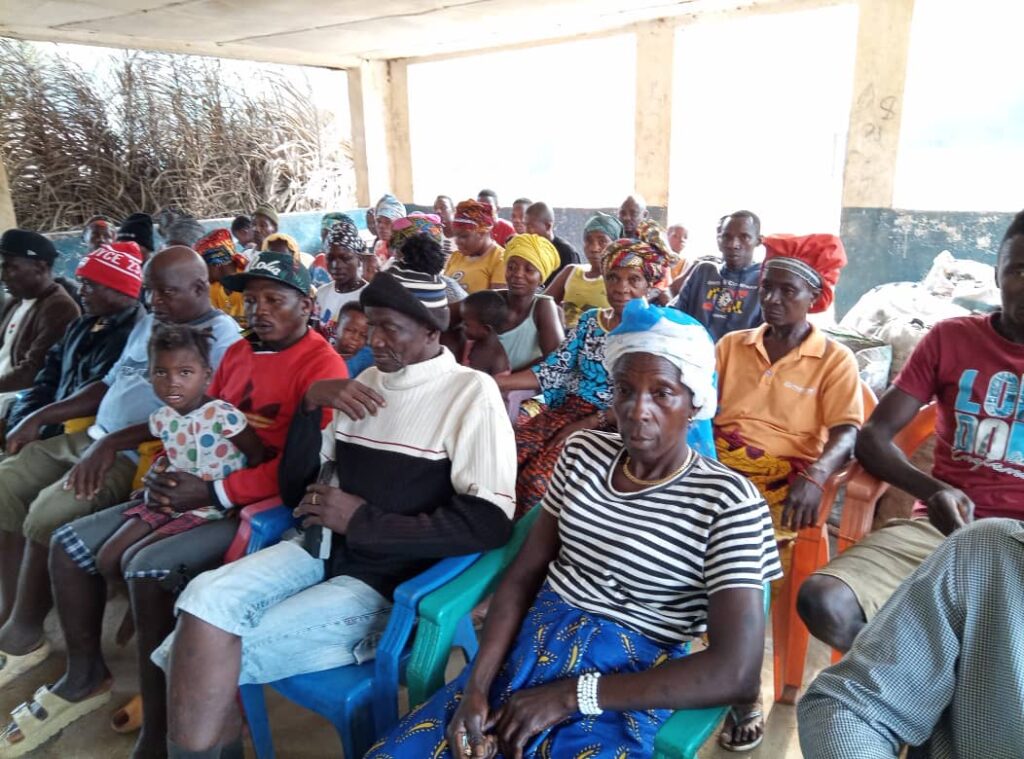
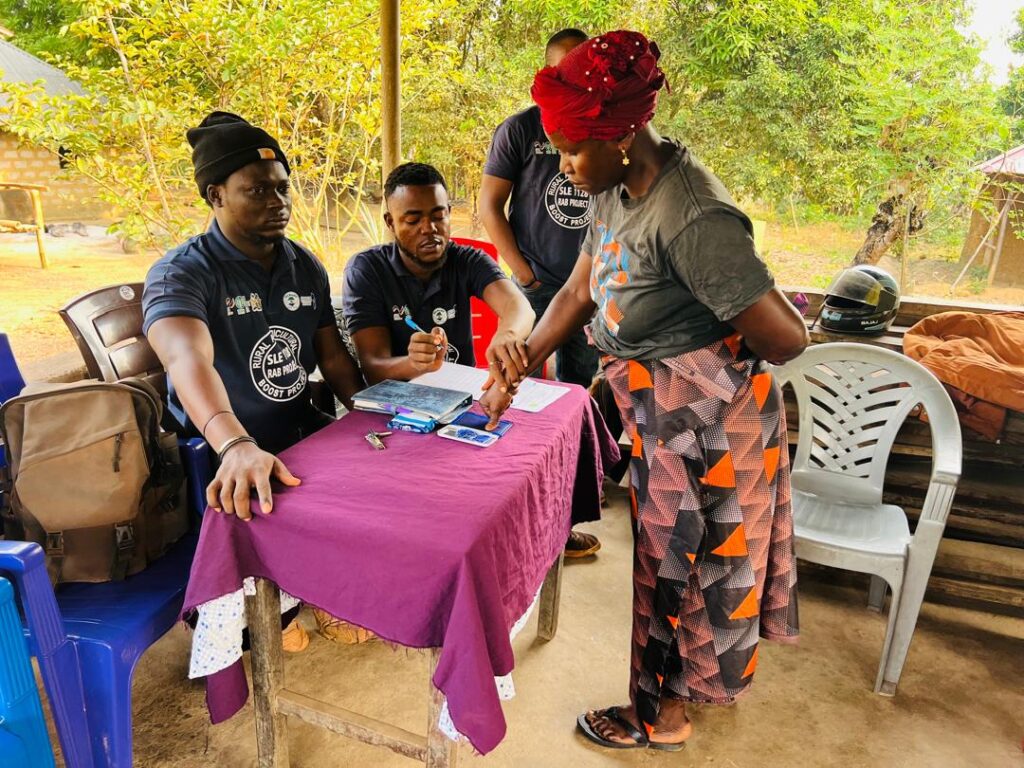
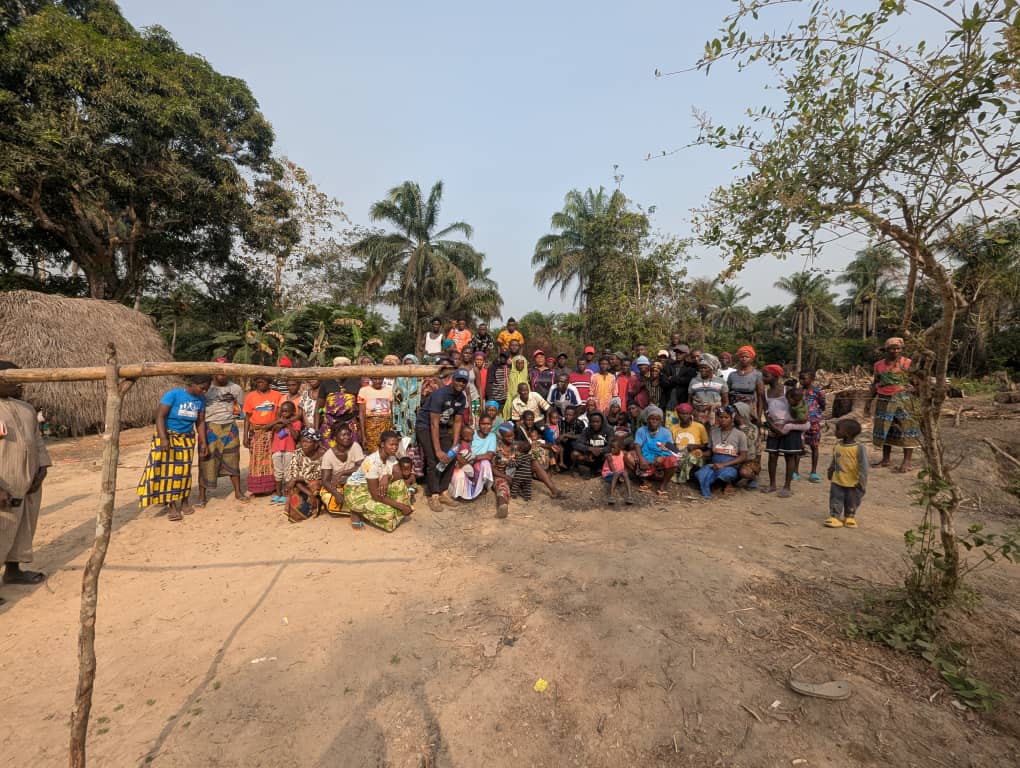
Cross-cutting principles such as gender equality, inclusive participation, accountability, and conflict-sensitive programming were integrated throughout the project activities. Despite progress, the project faced operational challenges including delays in the procurement of equipment, late approval for office rental in Moyamba, difficult road access to some remote communities, and initial community skepticism due to past failed agricultural interventions. These challenges were addressed through continuous engagement with partners, improved coordination, and transparent communication with communities.
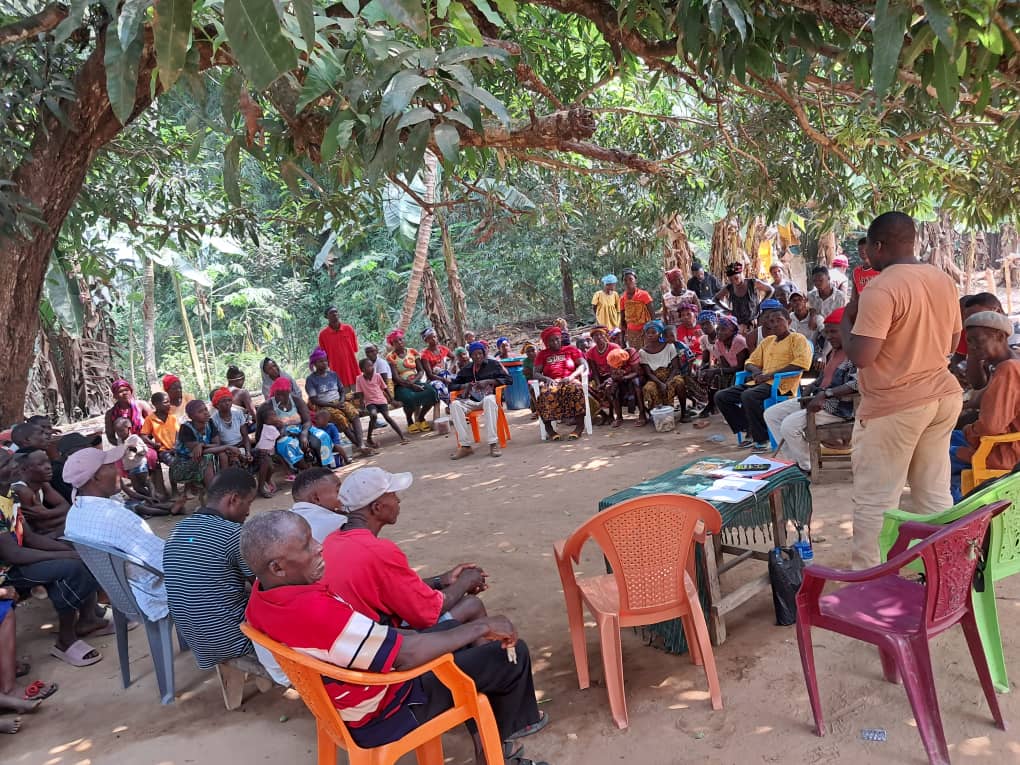
Looking ahead, the project plans to move into full implementation between March and May 2026, with activities including the official project launch, training of community groups, radio awareness programs on land rights, WASH and nutrition messaging, procurement and distribution of farming inputs, development of IEC materials, and continued stakeholder engagement to strengthen sustainability and community resilience. Overall, the project remains on track and well positioned to deliver its intended agricultural, livelihood, and community development outcomes.
Copyright © SilNorf 2025 – All rights reserved
Developed By: Link Corporation Limited SL
https://shorturl.fm/u1pRo