Strengthening Collaboration for Inclusive Land Governance in Sierra Leone
Communication Silnorf
March 17, 2026
By: Communication Unit SiLNoRF (StoryLab Creative_Pro)
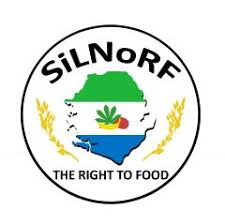
As part of its commitment to advancing human rights, environmental justice, and the right to food, the Sierra Leone Network on the Right to Food (SiLNoRF) recently held strategic engagements with the Food and Agriculture Organization (FAO) and the National Land Commission in Freetown on 13 March 2026. These meetings formed part of SiLNoRF’s broader efforts to strengthen collaboration with key national and international partners working to improve land governance, community participation, and legal empowerment across Sierra Leone. The discussions focused on exploring opportunities for partnership and coordination around the implementation of SiLNoRF’s CLEEnJustice Framework, an innovative approach that promotes community access to justice, strengthens accountability in land governance, and empowers communities to better understand and defend their land rights.
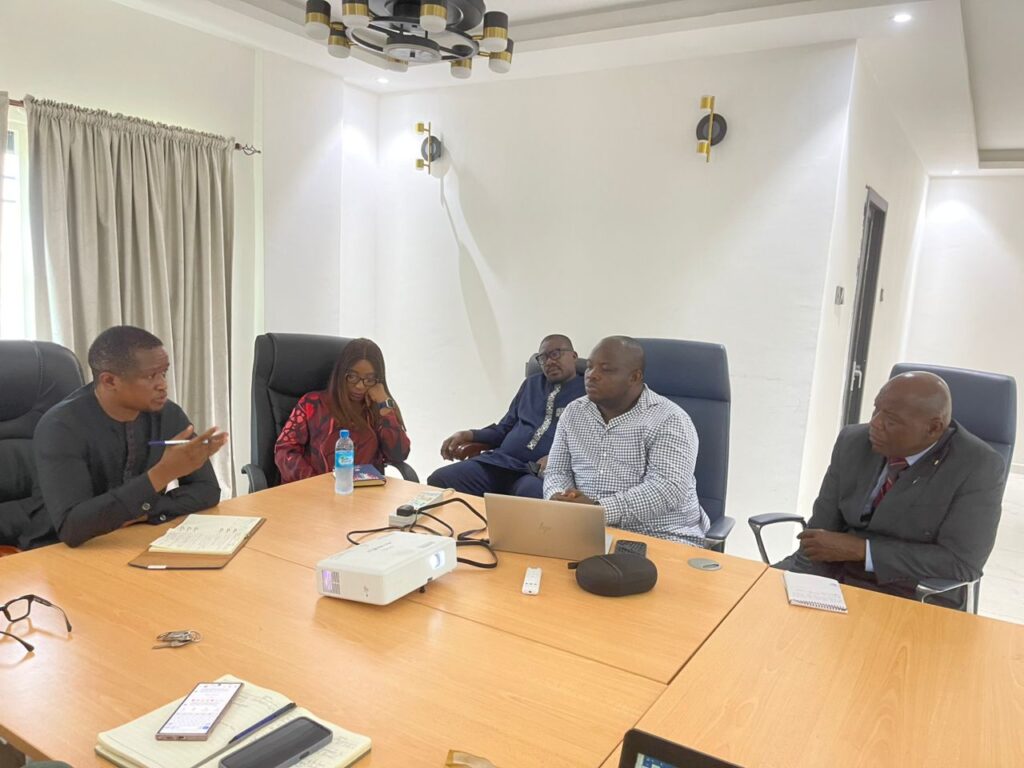
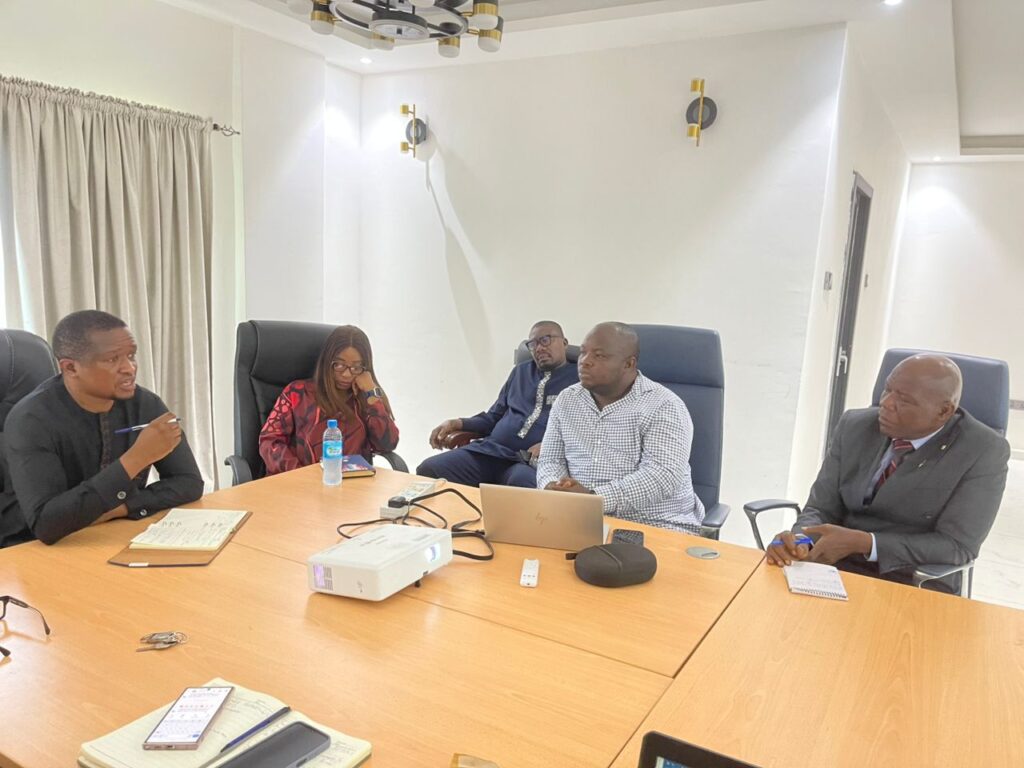
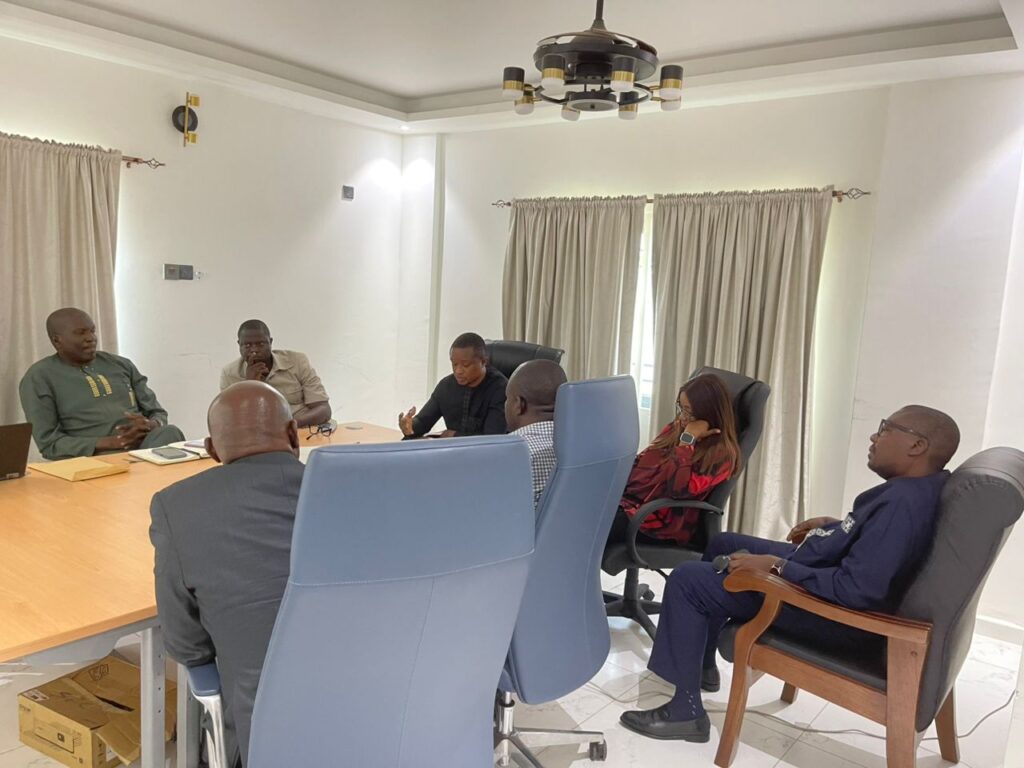
During the engagements, SiLNoRF presented the CLEEnJustice programme, which integrates community empowerment, legal support, and evidence-based advocacy to address land-related challenges. The framework introduces a community-centered approach that involves law students and trained community members serving as community paralegals who work closely with legal professionals to document land-related cases, monitor developments, and provide legal awareness at the community level. This approach aims to ensure that communities particularly those affected by land-based investments have the knowledge, support, and tools necessary to effectively engage with land governance processes and safeguard their rights.
Both the FAO and the National Land Commission welcomed the initiative and recognized its relevance in strengthening community participation and transparency in land governance. The engagements also provided an opportunity for constructive dialogue on how the programme can complement existing national initiatives aimed at implementing Sierra Leone’s new land laws and improving public awareness on land rights. Stakeholders emphasized the importance of inclusive dialogue, multi-stakeholder coordination, and the involvement of traditional authorities and local governance institutions in ensuring the effectiveness and sustainability of land governance interventions.
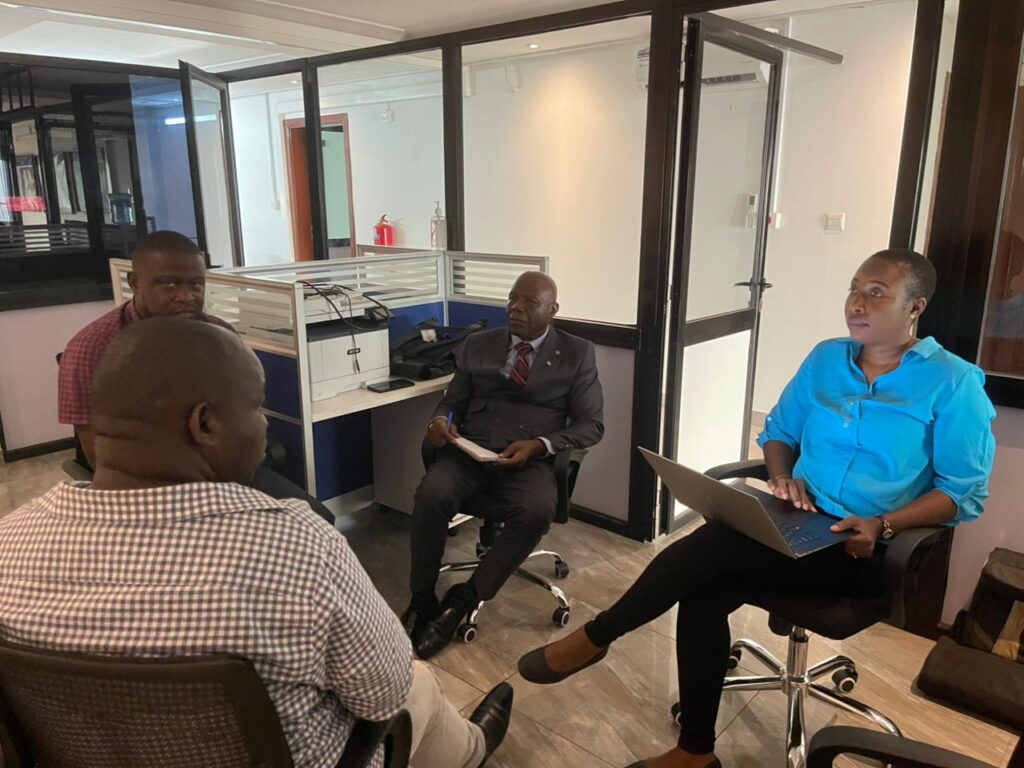
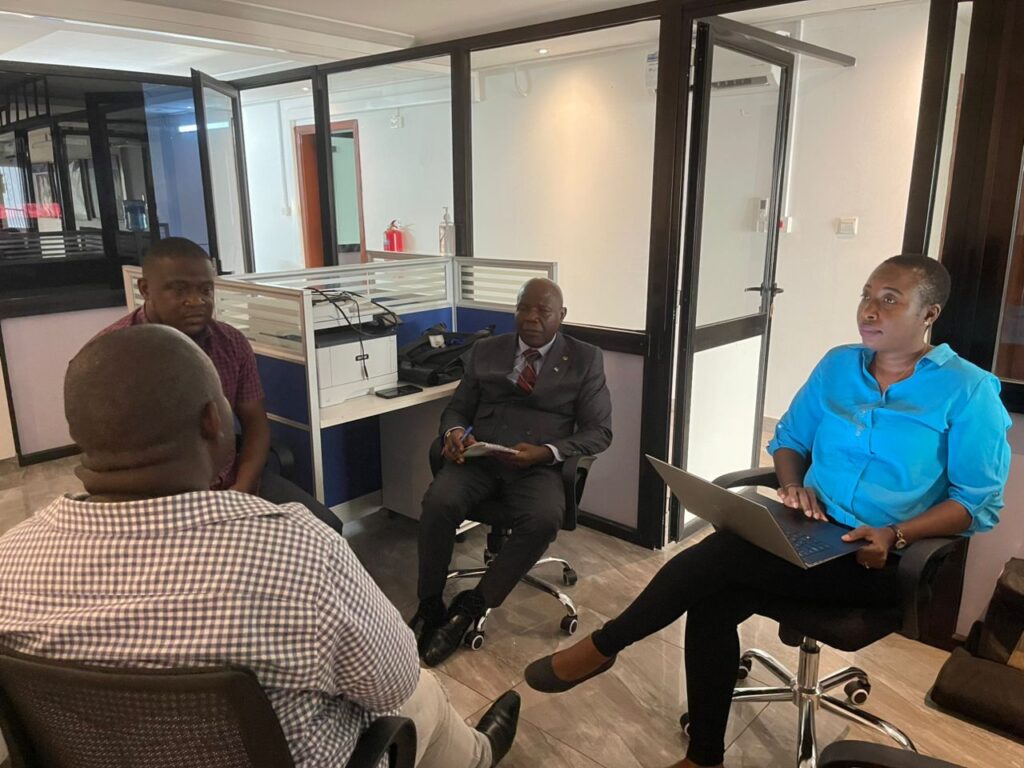

The discussions further explored the establishment of Multi-Stakeholder Platforms (MSPs) in targeted districts as spaces for dialogue, coordination, and joint problem-solving among government institutions, civil society organizations, traditional authorities, and community representatives. These platforms are expected to enhance collaboration among stakeholders and promote transparent, participatory decision-making in land-related matters. The meetings also identified opportunities to strengthen community awareness of the new land laws, support responsible land-based investments, and improve mechanisms for documenting and addressing land grievances.
These engagements mark an important step in building stronger partnerships that support accountable and inclusive land governance in Sierra Leone. By fostering collaboration among key institutions and empowering communities with legal knowledge and support, SiLNoRF aims to contribute to a governance environment where land rights are respected, community voices are heard, and development processes are more equitable and transparent. The outcomes of these discussions will inform upcoming stakeholder engagements and project activities in districts such as Port Loko, Bombali, and Moyamba, where the CLEEnJustice programme will be implemented.
Through these continued partnerships, SiLNoRF remains committed to promoting sustainable land governance systems that protect community rights, strengthen accountability, and contribute to social justice, environmental sustainability, and the realization of the right to food in Sierra Leone.
Copyright © SilNorf 2025 – All rights reserved
Developed By: Link Corporation Limited SL